
 Pests and weeds Growing and care
How to get rid of weeds
The RHS says patience and persistence can control almost every garden weed without chemicals. The trick is matching the method to the weed.
In short
Hoe annual weeds on a warm, dry or windy day while they are small. Dig out perennial weeds with a fork, roots and all, or weaken them by cutting them down again and again. Smother bare ground with cardboard or thick mulch. The RHS says this controls almost all weeds.

Annual or perennial: why it matters

Start by working out what kind of weed you have. The RHS explains that annual weeds are generally shallow-rooted and easy to pull out by hand. They can set huge amounts of seed, so expect plenty of seedlings.
Perennial weeds come back every year and often have deeper, wider roots. Getting the roots out gives good control, the RHS says, but it is not always possible. Where it is not, regular cutting or smothering weakens the plant and can eventually kill it.
Weeds compete with your crops for nutrients, light and water, Garden Organic says. It also points out that some weeds are useful, because they attract pollinators and enrich the soil. The RHS adds that most weeds are UK native wildflowers. Leaving a few in a species-rich lawn or a wild corner helps biodiversity and saves you work.
Hoeing and hand weeding
Hoeing kills most weed seedlings, the RHS says, and disturbs the soil very little. Run the hoe over a bed or between rows on a warm, dry or windy day, so the exposed roots dry out fast.
Garden Organic research on weed control found that burying weed seedlings under 1 cm of soil was the most effective treatment, with cutting at the soil surface close behind. It also notes that tools without a cutting edge only work on small weeds.
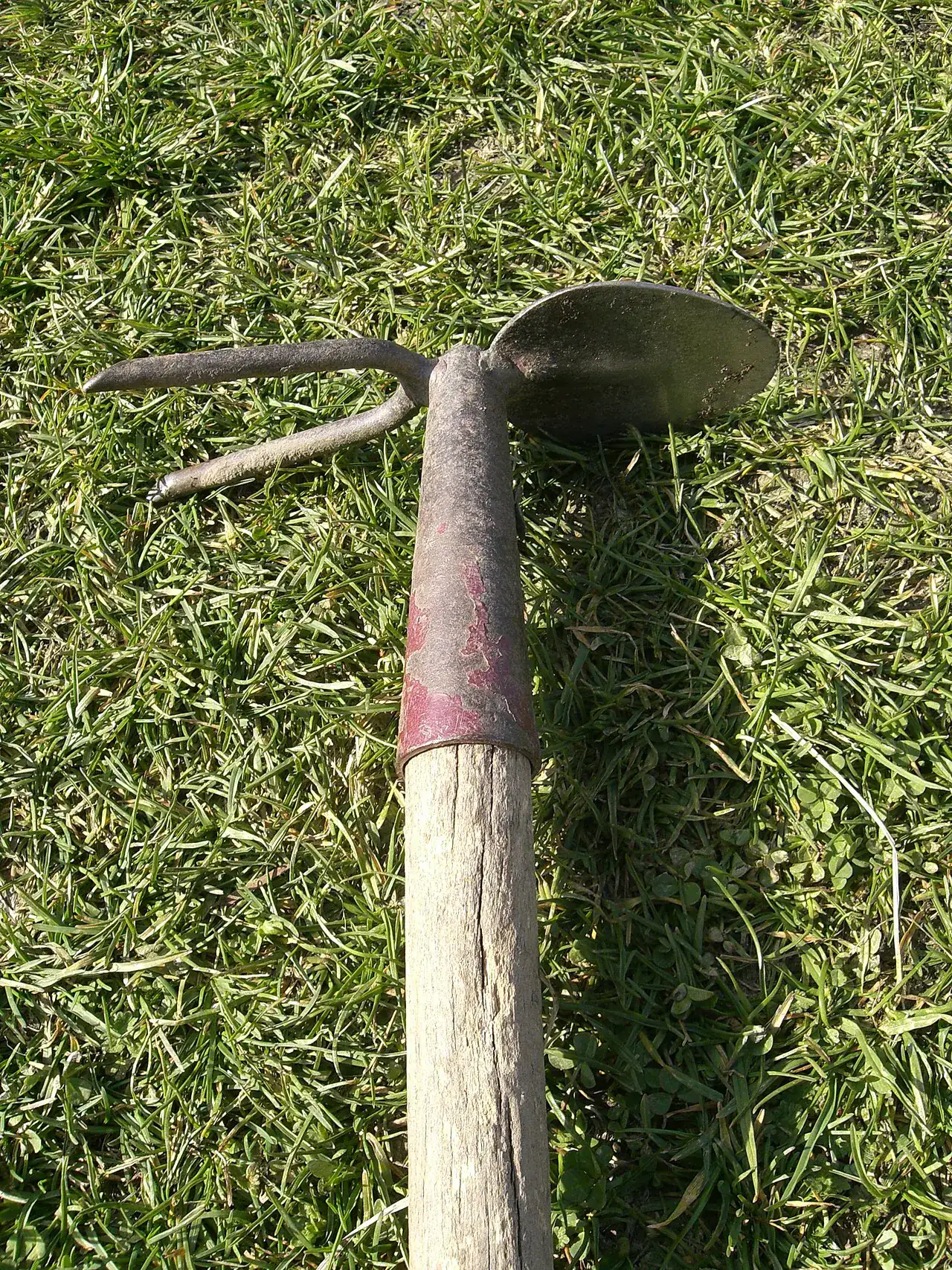
Pulling and forking. Most annual weeds pull out by hand. For deep-rooted perennials, the RHS pushes a hand fork in to its full depth and levers out the rootball. For large weeds, use a spade or border fork close to the base of the plant and lift out as much root as you can.
Small tools. The RHS suggests a hooked weeding knife for gaps between paving and along path edges, and forked dandelion weeders or spiral tools for weeds with taproots.
Cutting and smothering perennial weeds
Repeated cutting. Cutting stops the weed making food and drains its stored reserves, the RHS explains. Done for several years, it can kill even persistent perennials. Cut leaves and stems to ground level as soon as they appear, from spring to autumn.
Smothering. Annual weeds may need covering for only a few months, the RHS says. Perennials need at least a few growing seasons. Its options:
- Cardboard over empty beds in winter, to suppress chickweed and bittercress. - Organic mulch 10–20 cm deep, such as bark or wood chips, topped up each spring. For pernicious weeds, lay it over cardboard. Keep it away from woody stems and the crowns of perennials, or they may rot. - Biodegradable mulch film made from corn starch. Lighter grades last a few months. Heavier grades last up to three years and can suppress perennials. - Jute mats around newly planted trees and shrubs. They break down in about 18 months. - Turf. Laying turf over ground elder or horsetail and mowing regularly should get rid of them within a few years, and you have a usable lawn meanwhile.
Reuse plastic. The RHS suggests cutting empty compost bags along one seam to cover beds, or reusing an intact pond liner. Check it is not worn, as worn plastic can shed microplastics.
Root barriers. For ground elder, horsetail and running bamboo, the RHS uses specialist fabric with overlapped, sealed joints, standing at least 7.5 cm above the soil.
Clearing a large overgrown area
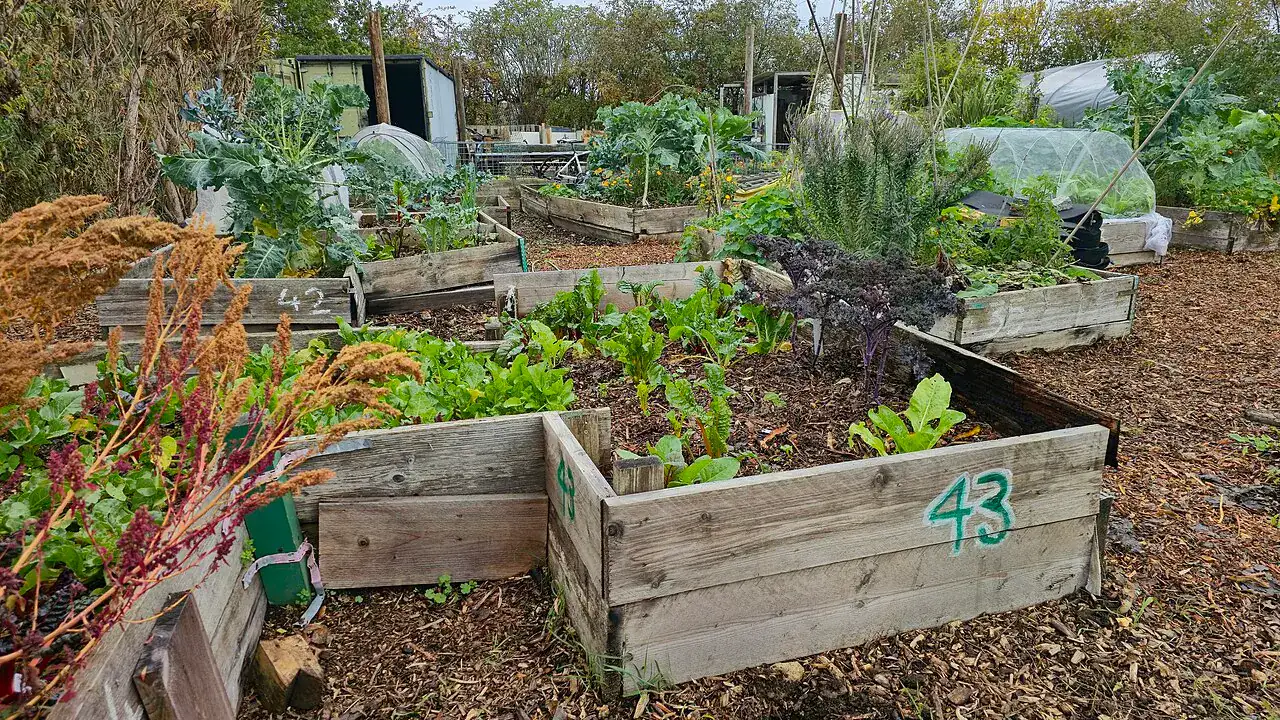

Garden Organic's method for a big weedy patch is to cut down the tall weeds, then cover the soil with a thick mulch of compost and manure, ideally at least 20 cm, and tread it down firmly. Sheets of cardboard can go underneath. Without light the weeds weaken and die.
After a few months under the mulch, roots of persistent weeds such as bindweed are easier to dig out, Garden Organic says. For dandelions and docks, it digs them up, composts the leaves and soaks the roots in a bucket of water for about a month. The water then makes a liquid feed.
Garden Organic research puts some numbers on this. A mulch left in place for 12 to 18 months can clear vegetation before cropping.
How thick a mulch? The sources give different figures for different jobs. The RHS calls any layer at least 5 cm thick a mulch, and uses 10–20 cm of bark or wood chips to smother weeds. Garden Organic aims for at least 20 cm of compost and manure to clear a large area. In Garden Organic research, a 3 cm compost layer was enough to stop annual weeds emerging.
Garden Organic suggests keeping a discreet patch of stinging nettles to feed pollinating insects. It no longer recommends old carpet as a cover, because most carpets now contain moth repellents and fire retardants.
Weeds keep coming back: the seed bank
Soil holds a store of weed seeds, often called the seed bank. Garden Organic research measured how fast it shrinks when no fresh seed is added. Uncultivated soil lost 22% of its seeds a year. Cultivating twice a year raised that to 30%, and four times a year to 36%.
Garden Organic also describes the stale seedbed. Cultivate the soil about four weeks before sowing. This sets off the first, and usually biggest, flush of weeds. Remove that flush and you have fewer weed seeds near the surface.
The lesson is simple. Every weed you stop from seeding means fewer seedlings in the years ahead.
Bindweed, brambles and Japanese knotweed
Bindweed. Garden Organic says bindweed hates disturbance and thrives where soil is never dug, such as behind sheds or under raspberries. Clear out every scrap of root you can find, then dig, pull or hoe off every new sprout. Keep it up and nothing should come through within a season or two. Growing vegetables there gives the regular cultivation it dislikes. Garden Organic says flame weeding is not thought to work on bindweed, and black plastic has to stay down for years.
Brambles. Dig up young plants as soon as you see them, Garden Organic advises. If older plants are too tough to dig, cut the tops to ground level regularly. It can take up to three years.
Japanese knotweed. The RHS names it as the one weed that non-chemical methods cannot control. Garden Organic says it can regrow from a root fragment just 1 cm long. Spreading it has been illegal since the Wildlife and Countryside Act 1981, and contaminated soil must go to a licensed landfill.
Weeds in lawns
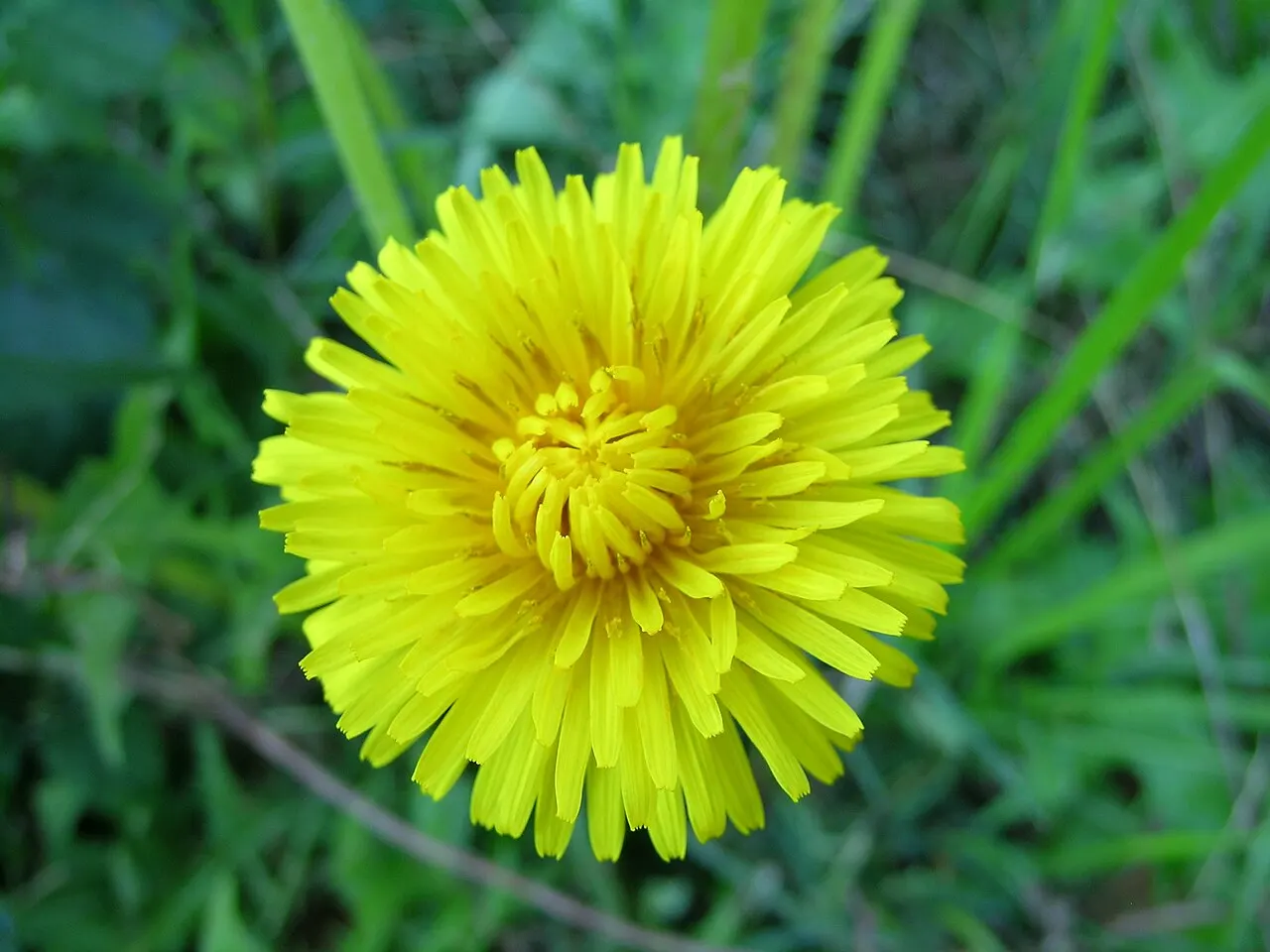

Dig out single weeds with a hand fork or weeding tool, the RHS says. Use a dandelion weeder for long taproots. Re-seed or turf the bare patches in spring or autumn.
Rake, then mow. Rake creeping weeds such as creeping buttercup and speedwell so the mower catches their low stems. Regular mowing also deadheads low-growing lawn weeds, the RHS says.
Do not scalp the lawn. Cutting very short, especially in summer, weakens the grass and lets weeds in, the RHS says. Deadhead dandelions with secateurs before they set seed.
Acid soil. Where sheep's sorrel or field wood-rush are spreading, the RHS suggests testing the soil and liming it towards pH 6.5.
For heavily infested patches, including clover, the RHS cuts out the turf, removes the roots, rakes the soil level and lays fresh turf.
Weeds in paving and gravel
The RHS lists several non-chemical options:
- Hoe loose gravel by sliding the blade just under the surface, on a warm, dry or windy day. - Weeding knife along paving cracks to cut the roots, then lever the weed out with the hooked end. - Paving brush with angled wire bristles to scrub out moss and seedlings. - Weed puller for deep-rooted dandelion, dock and creeping cinquefoil. Where roots will not come out, keep cutting off the tops. - Repoint the joints so weeds have fewer gaps to grow in, or plant low-growing plants in the gaps.
Flame weeding: the sources differ. Garden Organic says it is quicker than hand weeding between paving and kills weed seed near the surface, with most areas needing 4–5 treatments a year. The RHS calls weed burners "not ideal", because of fire risk, fuel or power needs and limited effect on deep-rooted perennials.
Garden Organic suggests creeping thymes as ground cover for these spots. Thyme is evergreen, likes poor, well-drained soil and attracts bees.
Why skip the weedkiller
The RHS gives several reasons to avoid weedkillers. They have a large carbon footprint. Runoff, spills and careless disposal pollute water and threaten aquatic life. They can damage garden plants and harm pollinators and other wildlife.
It also warns about clopyralid, found in many lawn weedkillers. It can persist in grass clippings and damage plants grown in compost made from them. You can read how to build a heap on our page about making compost.
The RHS accepts that if cultural methods fail, or invasive weeds threaten biodiversity, targeted use of regulated weedkillers may be necessary. Garden Organic advises against weedkillers on brambles, because they leave residues in the soil.
Common UK weeds and what the sources advise
| Weed | What to do |
|---|---|
| Chickweed, bittercress | Cover empty beds with cardboard over winter |
| Dandelion, dock | Lever out the taproot with a fork or dandelion weeder |
| Ground elder, horsetail | Lay turf over the area and mow regularly, or use a root barrier |
| Bindweed | Remove every scrap of root, then dig, pull or hoe off each new sprout |
| Brambles | Dig up young plants. Cut tough ones to ground level again and again, for up to 3 years |
| Clover, speedwell (lawns) | Rake up the creeping stems before mowing, and mow regularly |
| Japanese knotweed | The one weed the RHS says non-chemical methods cannot control. Spreading it is illegal |
How to do it
- Hoe beds and the gaps between rows to kill weed seedlings. Do it on a warm, dry day, or a windy one, so the cut weeds dry out quickly.
- Pull most annual weeds out by hand. For deep-rooted perennials, push a hand fork in to its full depth and lever out the whole rootball.
- Cut perennial weeds you cannot dig out down to ground level as soon as you see them. Over several years this drains their reserves.
- Cover empty beds with cardboard over winter. Remove the tape, overlap the joins and weigh it down.
- Mulch from November to February with a layer at least 5 cm thick.
- Keep rhizomes, taproots, bulbs and seedheads out of your home compost bin. Use the council green waste collection instead.
Common questions
How do I get rid of weeds without chemicals?
Hoe and hand weed annuals while small, dig out perennial roots with a fork, and cut back what you cannot dig. Smother bare ground with cardboard or a deep mulch. The RHS says patience and persistence can control almost all garden weeds this way, Japanese knotweed being the exception.
When is the best time to weed?
The RHS says spring and summer are the main weeding seasons, with late winter and early spring for preventative work. Hoe on a warm, dry or windy day so the cut weeds dry out.
How long do I need to cover weeds?
The RHS says annual weeds may need covering for only a few months, but perennials need at least a few growing seasons. In Garden Organic research, a mulch left in place for 12 to 18 months cleared vegetation.
Can I put weeds on the compost heap?
Not the roots, rhizomes, bulbs or seedheads, the RHS says, as a home heap may not get hot enough to kill them. Garden Organic rots perennial roots and foliage in a black sack in a sunny corner until only mush remains, then composts them.
Does flame weeding work?
Sources differ. Garden Organic says it is quicker than hand weeding between paving and kills seed near the surface, needing 4–5 treatments a year, though it is not thought to work on bindweed. The RHS calls weed burners not ideal because of fire risk and limited effect on deep roots.
How do I get rid of bindweed?
Garden Organic says to remove every scrap of root you can, then dig, pull or hoe off every new sprout. Keep it up and nothing should come through within a season or two.
How do I get rid of weeds in my lawn without weedkiller?
Dig out single weeds with a fork or dandelion weeder and re-seed the gaps in spring or autumn. Rake creeping weeds before mowing, mow regularly to deadhead low-growing weeds, and do not cut very short, the RHS says.
Sources
We wrote this page using the sources below.
- Non-chemical weed control, Royal Horticultural Society (RHS)
- Weeds in lawns: control and care, Royal Horticultural Society (RHS)
- Weeds on hard surfaces, Royal Horticultural Society (RHS)
- Weeds, Garden Organic
- How to clear large areas of weeds, Garden Organic
- Cultural weed controls, Garden Organic
- Direct weed controls, Garden Organic