
 Garden jobs Growing and care
How to make compost
Grass clippings, peelings and old stems turn into dark, crumbly compost. All it takes is the right mix and a little patience.
In short
Mix soft green waste with woody brown waste, keep it moist and turn it now and then. Leave out meat, fish, dairy, cooked food or dog faeces. It takes six months to two years, the RHS says, and is ready when dark, crumbly and smelling of damp woodland.

Garden jobs: what to do and when
Under cover and outdoors, for UK conditions. The weather differs from year to year and from north to south, so check your local conditions too.
Pick a spot and a bin
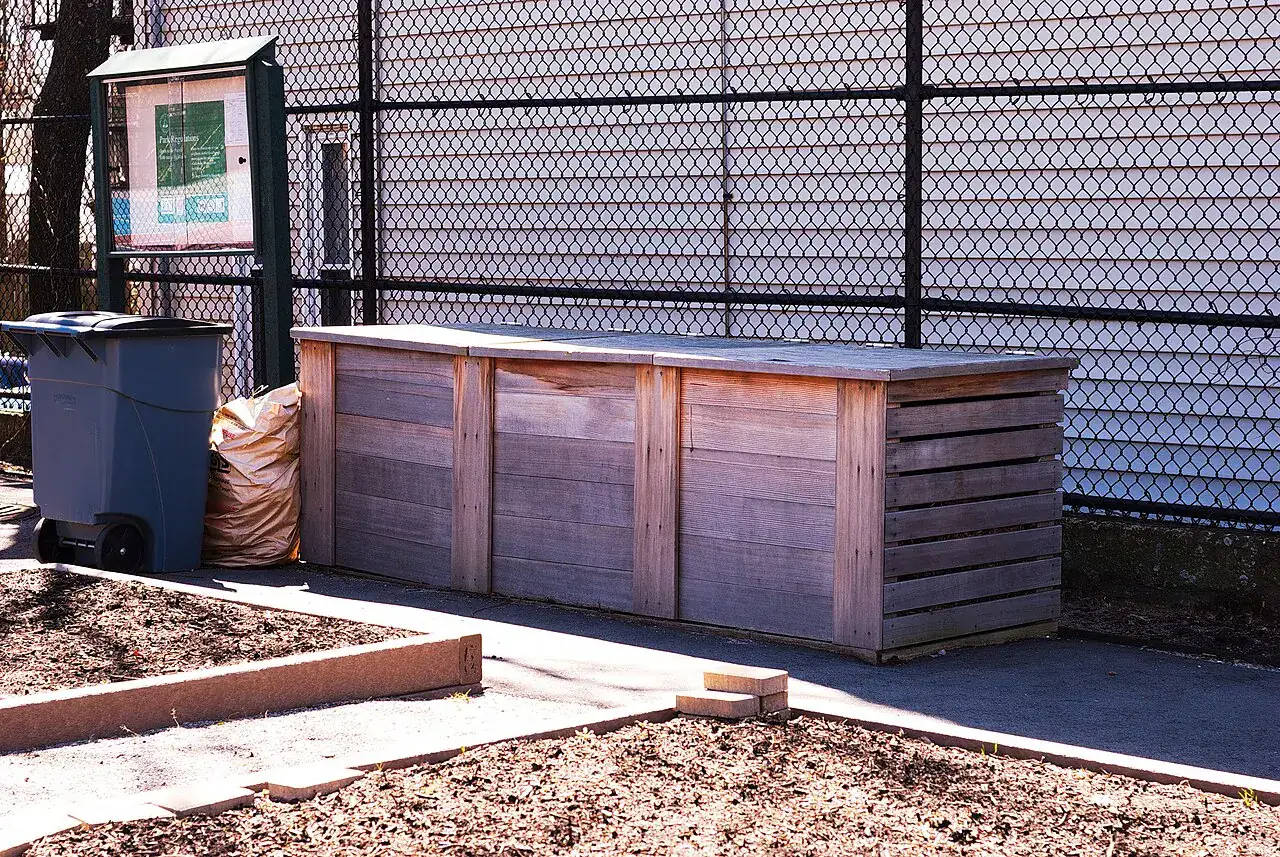
The RHS puts its compost in a sheltered spot in partial or full shade, which avoids extremes of heat and wet. Make sure you can reach it easily.
Stand the bin on bare earth if you can. Soil creatures can then get in and water drains away. A hard surface also works if you add a few spadefuls of soil to start things off.
Bigger is better. The RHS says bins smaller than 1 cubic metre are generally less efficient, though they still make compost, just more slowly. A good bin keeps out rain, holds some warmth, lets water drain and lets air in.
Greens and browns
Compost needs two kinds of material. Greens are soft and rich in nitrogen: grass clippings, sappy annual weeds, crop waste and kitchen peelings. Browns are tough and rich in carbon: shredded prunings, hedge trimmings, dead stems, straw, shredded paper and cardboard.
The sources give different mixes. The RHS says 25–50% of the heap should be green, the rest brown. Garden Organic aims for more or less equal amounts of greens and browns by volume.
Chop or shred long stems, prunings, paper and cardboard before adding them, the RHS says. Mix grass clippings with brown material and do not let any one material dominate, or the heap turns into a slimy, smelly mess.
Garden Organic also lists some things you can add in small amounts: wood ash in moderation, egg shells, hair and natural fibres such as wool and cotton. It even lists urine as a green, ideally diluted 20 to 1.
What to leave out
Garden Organic says meat, dairy and cooked food can attract vermin and should not be home-composted. Its do-not-compost list also includes fish, coal and coke ash, cat litter, dog faeces and disposable nappies.
Diseased plants. Plants with soil-borne diseases such as clubroot and white rot should never go on the heap, Garden Organic says. Grey mould, mildews and wilts may survive a cool heap. Its rule is simple: if in doubt, leave it out, or take it to the council green waste facility, which reaches temperatures that kill problem organisms.
Blight. Here the sources disagree. Garden Organic says blighted tomato and potato foliage is fine in a hot or cold heap. The RHS says to bury blighted material deeply or take it to the council green waste collection rather than compost it.
Perennial weeds. Garden Organic avoids the most persistent ones, such as docks, ground elder, bindweed, celandine and bulbous buttercup. Put them in a bag with grass clippings, tie it and leave it for a few months until the weeds are no longer recognisable. Then add the contents to the heap.
Weed seeds may survive a cool heap but should be killed in a hot one, Garden Organic says.
Cool heap or hot heap

Garden Organic describes two ways of working.
A cool heap is filled bit by bit. Start with a few woody stems or twigs at the bottom for air and drainage, and aim for a layer of at least 30 cm. Mix in straw, woody prunings and scrunched cardboard to make air spaces, and add egg boxes and toilet roll tubes to balance kitchen waste. Once the bin is full, stop adding and let it finish. That can take up to a year.
A hot heap is filled in one go. Chop tough material, mix grass clippings and shredded paper with more open material and water as you fill. The heap should heat up within a few days. Turn it when it cools, or after a week or two, moving the outside to the middle. Repeat if you can, though it heats up less each time. When it stops heating up, leave it alone.
Garden Organic also describes a mixed method: add material as it comes and turn the heap when you have time. The more often you turn it, the faster it rots.
Turning and moisture
Composting needs air, the RHS explains. Wet or compacted material rots more slowly. Turning the heap several times a year speeds things up, but it is optional if you are not in a hurry.
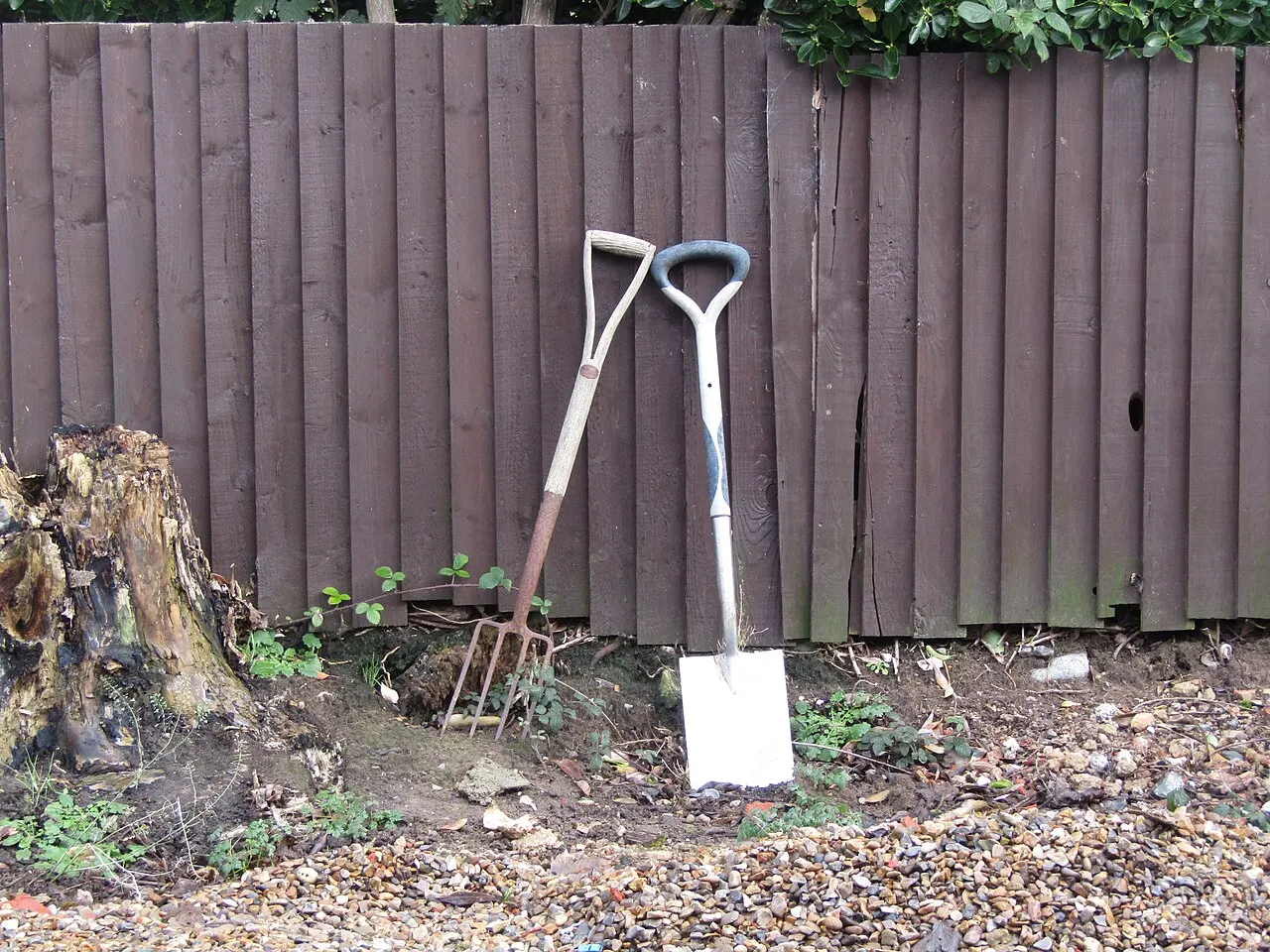
The easiest way is to fork through or stir the contents every few months. A full turn means emptying the bin and refilling it, or moving everything into a second bin. It is also a good moment to check the moisture. Keep the heap moist in dry weather. Wear gloves and a dust mask when you turn it.
Garden Organic keeps it simple: add water if the heap is dry, and dry material if it is soggy.
How long it takes and when it is ready

The RHS says compost usually takes six months to two years. It is faster in warm weather and slower in winter, and larger amounts compost more efficiently. Garden Organic says it can take as little as six to eight weeks with more effort, but more usually a year or more.
Compost is ready when it is dark brown and crumbly and smells like damp woodland, the RHS says. Garden Organic lets it mature for another month or two before use. It does not need to be fine: lumpy or stringy compost is still usable, and you can sieve it if you prefer. Put any large pieces back into the next heap.
Using your compost
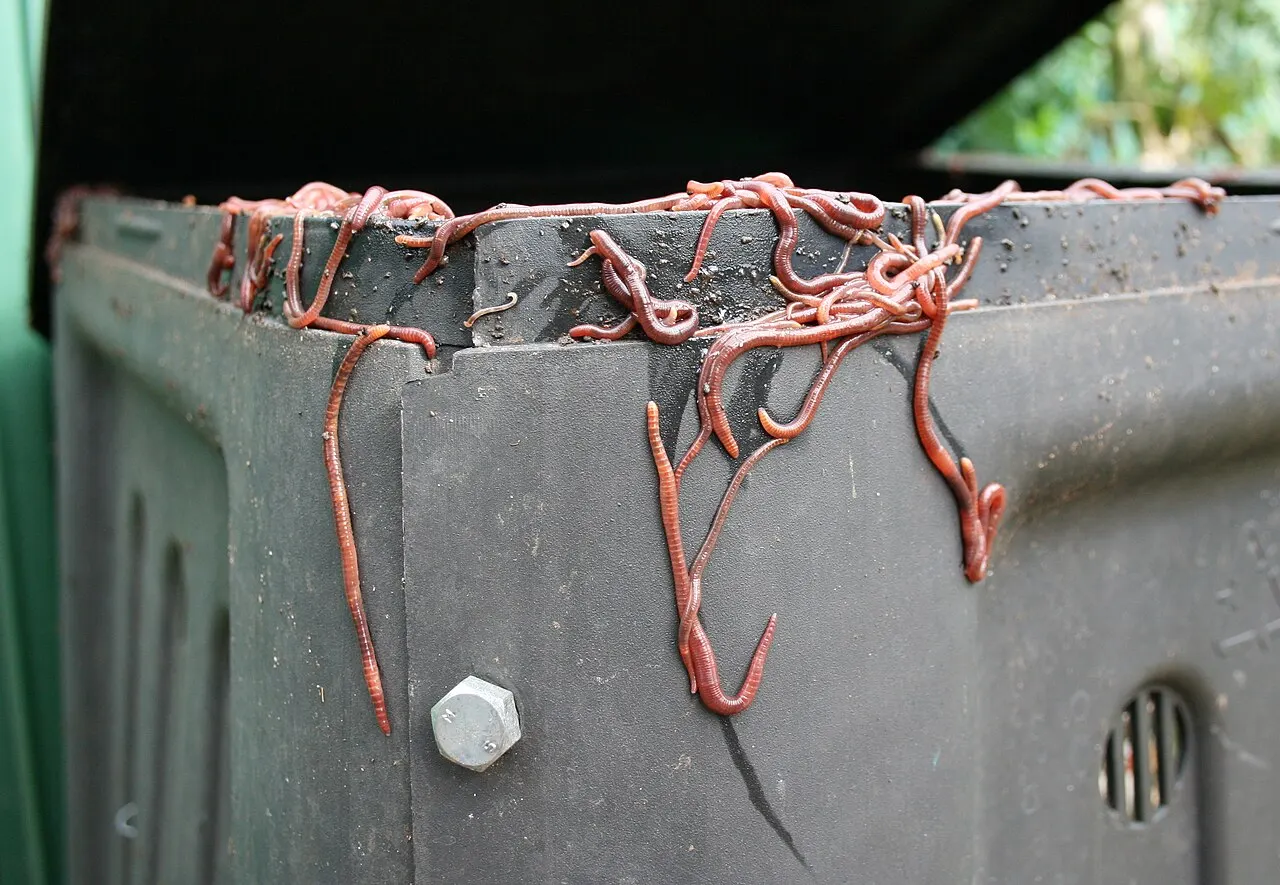
As a mulch, the RHS spreads compost at least 5 cm thick on the soil surface, ideally from late autumn to late winter. Worms gradually work it into the soil.
As a soil improver, spread it over the surface or fork it in lightly. You can also mix it with other ingredients, such as soil, to make a potting mix.
If your compost tends to sprout weeds, Garden Organic digs it into the soil rather than spreading it on the surface.
The RHS no longer recommends peat for garden use, and notes that spent mushroom compost often contains peat.
Fixing common problems
Wet, slimy and smelly. Too little air and too much water, the RHS says. Cover the heap, add more brown material and do not add too many grass clippings at once.
Dry and fibrous, hardly rotting. Too little moisture and too much brown material. Water it in summer and add more green material.
Flies. Cover kitchen waste with garden waste and check the heap is not too damp.
Lime and activators. You do not need them. The RHS says lime provides no benefit, and activators are generally unnecessary if the mix of greens and browns is right and the heap gets enough air.
What goes on the heap
| Greens (add) | Browns (add) | Leave out |
|---|---|---|
| Grass cuttings | Cardboard: cereal packets, toilet roll tubes, egg boxes | Meat and fish |
| Young weeds, nettles (not roots) | Waste paper and junk mail | Dairy products and cooked food |
| Uncooked fruit and vegetable peelings | Straw, hay and shredded paper | Cat litter and dog faeces |
| Tea leaves and coffee grounds | Woody prunings and tough hedge clippings | Coal and coke ash |
| Soft green prunings, comfrey leaves | Old bedding plants, dead stems | Disposable nappies |
| Manure from cows, horses and poultry | Bedding from rabbits and guinea pigs | Plants with clubroot or white rot |
How to do it
- Choose a sheltered spot in partial or full shade that you can reach easily. Stand the bin on bare earth if you can.
- Mix green material with brown material. Garden Organic aims for roughly equal amounts by volume. The RHS suggests 25–50% greens.
- Chop or shred long stems, prunings, paper and cardboard first.
- Never add a thick layer of grass clippings on its own. Mix them with browns.
- Keep the heap moist in dry weather. Add water if it is dry, dry material if it is soggy.
- Turn the heap or fork through it every few months to let in air. Wear gloves and a dust mask.
- Use the compost when it is dark brown, crumbly and smells like damp woodland. Put uncomposted bits back into the next batch.
Common questions
How long does compost take to make?
Usually six months to two years, the RHS says, faster in warm weather and slower in winter. Garden Organic says it can be ready in six to eight weeks with more effort, but a year or more is more usual.
Should I add lime or a compost activator?
No. The RHS says lime provides no benefit, and activators are generally unnecessary if the mix of greens and browns is right and the heap gets enough air.
Can I compost cooked food?
Garden Organic says meat, dairy and cooked food can attract vermin and should not be home-composted, and it also leaves out fish. Uncooked fruit and vegetable peelings are fine.
Can I put weeds on the compost heap?
Young annual weeds are a useful green. Garden Organic says weed seeds may survive a cool heap, and it bags persistent perennial weeds such as bindweed, docks and ground elder with grass clippings for a few months before adding them.
Can I compost blighted tomato or potato plants?
Sources disagree. Garden Organic says blighted foliage is fine in a hot or cold heap. The RHS says to bury it deeply or take it to the council green waste collection instead.
Why does my compost smell?
A smelly, slimy heap has too little air and too much water, the RHS says. Cover it, mix in more brown material and add grass clippings a little at a time.
Sources
We wrote this page using the sources below.
- Composting, Royal Horticultural Society (RHS)
- How to make compost, Garden Organic
- What can I compost?, Garden Organic
- Composting hints and tips, Garden Organic
- Tomato blight, Royal Horticultural Society (RHS)