
 Raspberries Growing and care
How to grow raspberries
A row of raspberries can crop for ten years or more. Plant the canes this winter, prune them the right way for their type, and the rest is mostly picking.
In short
Plant raspberry canes while dormant, from November to March, in sunny, well-drained, slightly acidic soil, 40–60 cm apart. Tie summer fruiting canes to wires and cut the fruited canes to the ground after picking. Cut autumn fruiting canes to the ground in late winter.
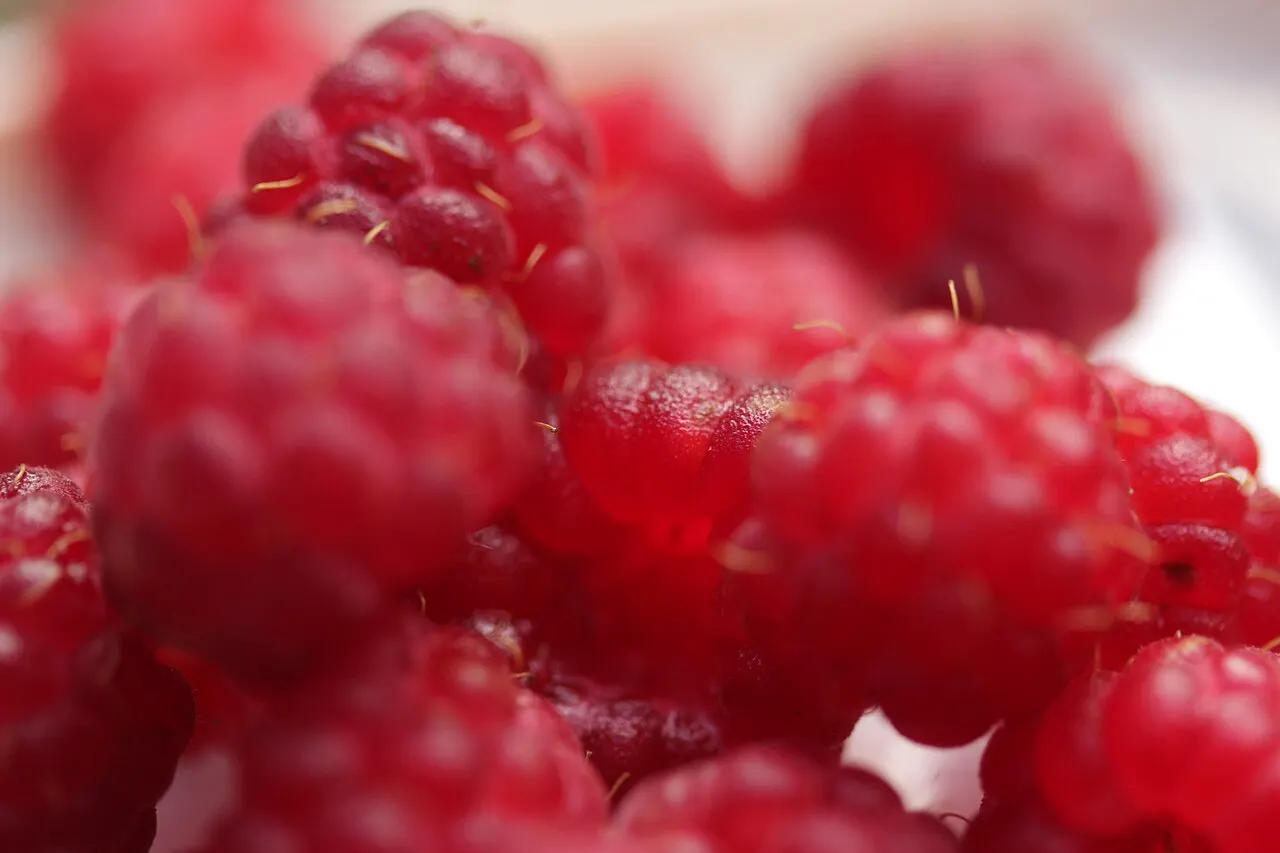

Raspberries at a glance
- Position
- Sunny, light shade gives a smaller crop
- Soil
- Fertile, well-drained, not waterlogged
- Soil pH
- 6–6.7
- Spacing
- 150 cm between rows, 40 cm apart in the row, 40–60 cm apart, rows 1.5–2 m apart (RHS)
- Plant
- November to March, while dormant
- Harvest
- June to October, depending on type
- Height
- Summer types about 1.8 m, autumn types 1.2–1.5 m
- Difficulty
- Medium
Raspberries: what to do and when
Under cover and outdoors, for UK conditions. The weather differs from year to year and from north to south, so check your local conditions too.
Summer fruiting or autumn fruiting?
Before you buy, decide which type you want. The RHS describes two:
Summer fruiting raspberries grow to about 1.8 m and fruit from early to late summer on canes that grew the year before. They usually start cropping in the second summer after planting. They need a sturdy support.
Autumn fruiting raspberries are shorter, about 1.2–1.5 m, and fruit from late summer into autumn on canes that grew the same year. They crop in their first year. BBC Gardeners' World says they usually do not need support.
Grow both and, as BBC Gardeners' World points out, you can pick raspberries from late June into October. The RHS adds that raspberries are self-fertile, so a single plant will fruit.
When to plant raspberry canes
Raspberries are planted while they are dormant. The RHS plants from November to March, whenever the soil is not frozen, and calls late autumn a good time. Garden Organic plants from October to February. BBC Gardeners' World plants in autumn or spring.
So late autumn, November in particular, suits all three sources. Bare root canes are only sold from autumn to early spring, the RHS says. Plants in pots are available for longer.
Choosing the site and preparing the soil
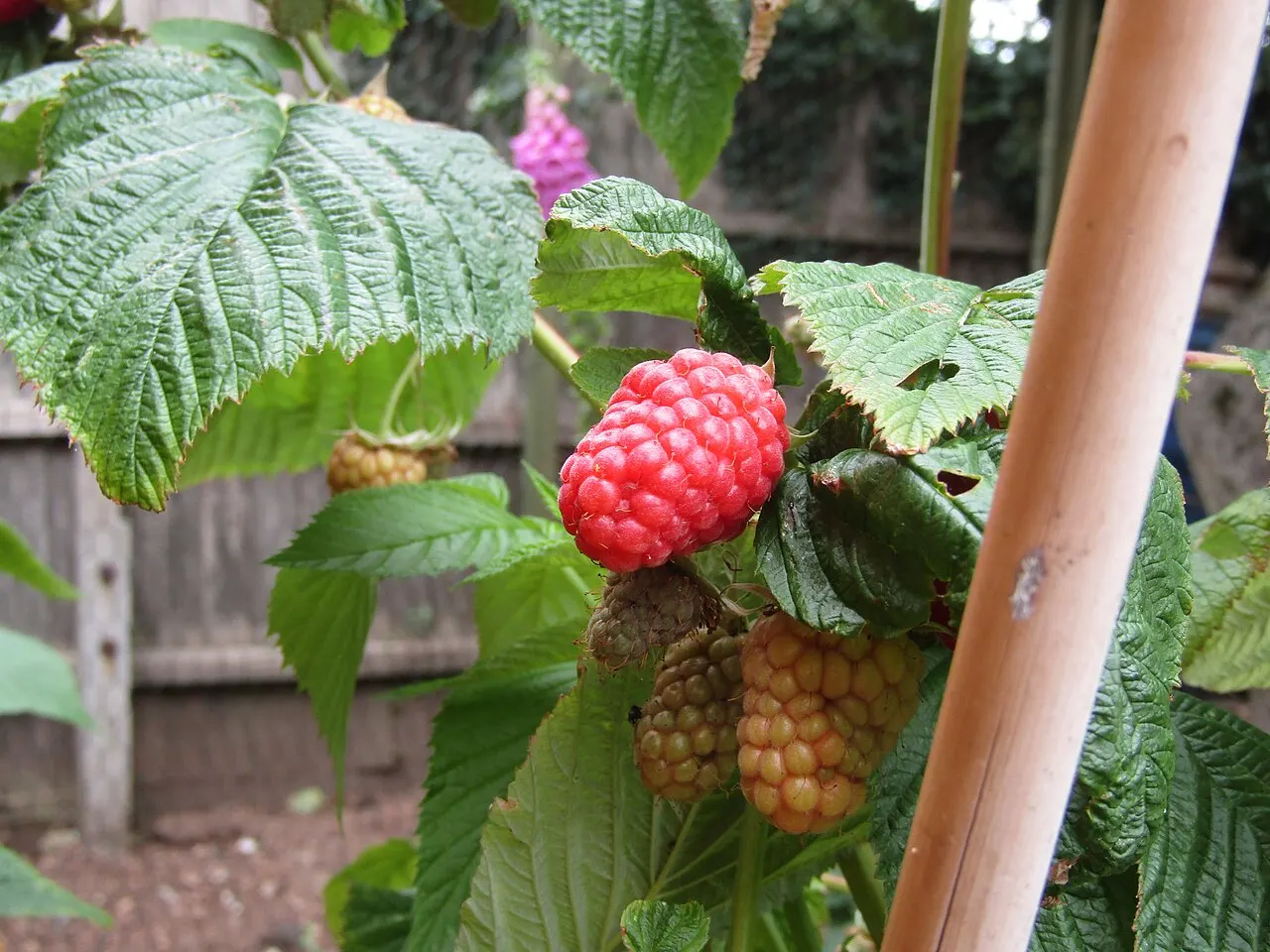

The RHS wants fertile, well-drained, slightly acidic soil, ideally pH 6–6.7. Avoid shallow chalky soil and ground that gets waterlogged. Raised beds help on wet sites. BBC Gardeners' World asks for moist but free-draining, fertile soil.
Pick a sunny spot. The RHS says light shade reduces the crop, and that rows ideally run north to south so the plants do not shade each other.
Do not plant where raspberries grew before. The RHS warns of replant problems in old raspberry ground.
Spacing, depth and the first cut
Spacing. The RHS spaces plants 40–60 cm apart with 1.5–2 m between rows. Garden Organic uses 40 cm and 150 cm, BBC Gardeners' World 45 cm and 1.8 m. All three are close.
Depth. Plant shallowly. The RHS keeps the first roots no more than 5 cm below the surface. BBC Gardeners' World covers the roots with about 5 cm of soil, and gives the roots a good soak in water before planting.
The first cut. After planting, the RHS cuts the canes down to 25 cm. The exception is summer fruiting canes sold as long canes, which are not cut. BBC Gardeners' World cuts unpruned canes to 15–22 cm. Firm the soil and water well.
Supports
Summer fruiting raspberries need a frame. The RHS uses posts about 1.8 m tall with three horizontal wires 60 cm apart, and adds extra posts every 3.6 m if needed. BBC Gardeners' World uses 2 m posts at each end of the row with wires between them, and fixes a wooden T-piece on top of each post to hold bird netting.
Autumn fruiting types are shorter. The RHS gives them posts about 60 cm tall, and BBC Gardeners' World says they do not need support at all. In a small space, the RHS grows two or three plants around a single post. For a pot, it plants a single cane of a compact variety such as 'Ruby Beauty' in a container at least 40 cm wide and 30 cm deep. BBC Gardeners' World notes that pot grown plants give a smaller harvest.
Pruning summer fruiting raspberries
Summer types fruit on canes that grew last year, so pruning is about removing old canes and keeping new ones.
After picking. The RHS cuts the canes that have fruited down to ground level straight after harvest. Then it keeps six to eight of the strongest new canes per plant, ties them to the wires about 10 cm apart, and cuts the rest to the ground. BBC Gardeners' World also cuts every fruited cane to soil level after fruiting, and aims for about 15 cm between canes in the row.
In February. The RHS trims any canes that have grown very tall to a bud about 10 cm above the top wire.
Garden Organic simply says to prune in autumn: cut fruited canes to soil level and keep the non-fruiting canes, which will crop the following year.
Pruning autumn fruiting raspberries
Autumn types are easier. They fruit on canes that grew this year, so every cane can go. The RHS cuts all fruited canes to ground level in February. In an RHS winter pruning feature, the author cuts his in December to get ahead of a wet winter, and says the exact month does not matter, as long as the plants are leafless and dormant. BBC Gardeners' World cuts them to the ground in winter.
In early summer, the RHS thins crowded clumps so the canes are about 10 cm apart.
Double cropping. On well established plants, the RHS keeps six to eight strong canes per metre in February and only cuts off their fruited tips. These canes give a small early summer crop, and new canes fruit in autumn as usual. After the summer crop, cut the old canes to the ground. The RHS names 'Joan J' and 'Polka' as suitable.
Mulching, watering and feeding
The RHS mulches 5–7.5 cm deep from late autumn to late winter, keeping the mulch clear of the canes. Water well after planting and during dry spells in the first season. Established plants usually need no extra water, the RHS says, except in long dry spells while the fruit is developing.
The RHS says mulched beds usually need no extra feed. If crops are poor, it gives an organic granular fertiliser in early spring. BBC Gardeners' World feeds with an organic general fertiliser in spring and mulches around the plants.
Watch for yellowing between the leaf veins, sometimes with reddish brown tints. The RHS says this can be magnesium deficiency.
Raspberries spread by suckers. The RHS removes any that come up outside the row in spring.
Picking, pests and how long a row lasts

Early summer varieties are ready from June, and later ones can ripen into September, the RHS says. Autumn types start in August and often go on into October. Garden Organic gives a harvest from July to October and the first crop from 18 months after planting.
Pick on a dry day, the RHS says, into shallow containers only two or three layers deep. BBC Gardeners' World says ripe fruit comes away with the gentlest tug, and gives an average yield of about 9 kg per 3 m row. Unwashed fruit keeps a few days in the fridge in a single layer.
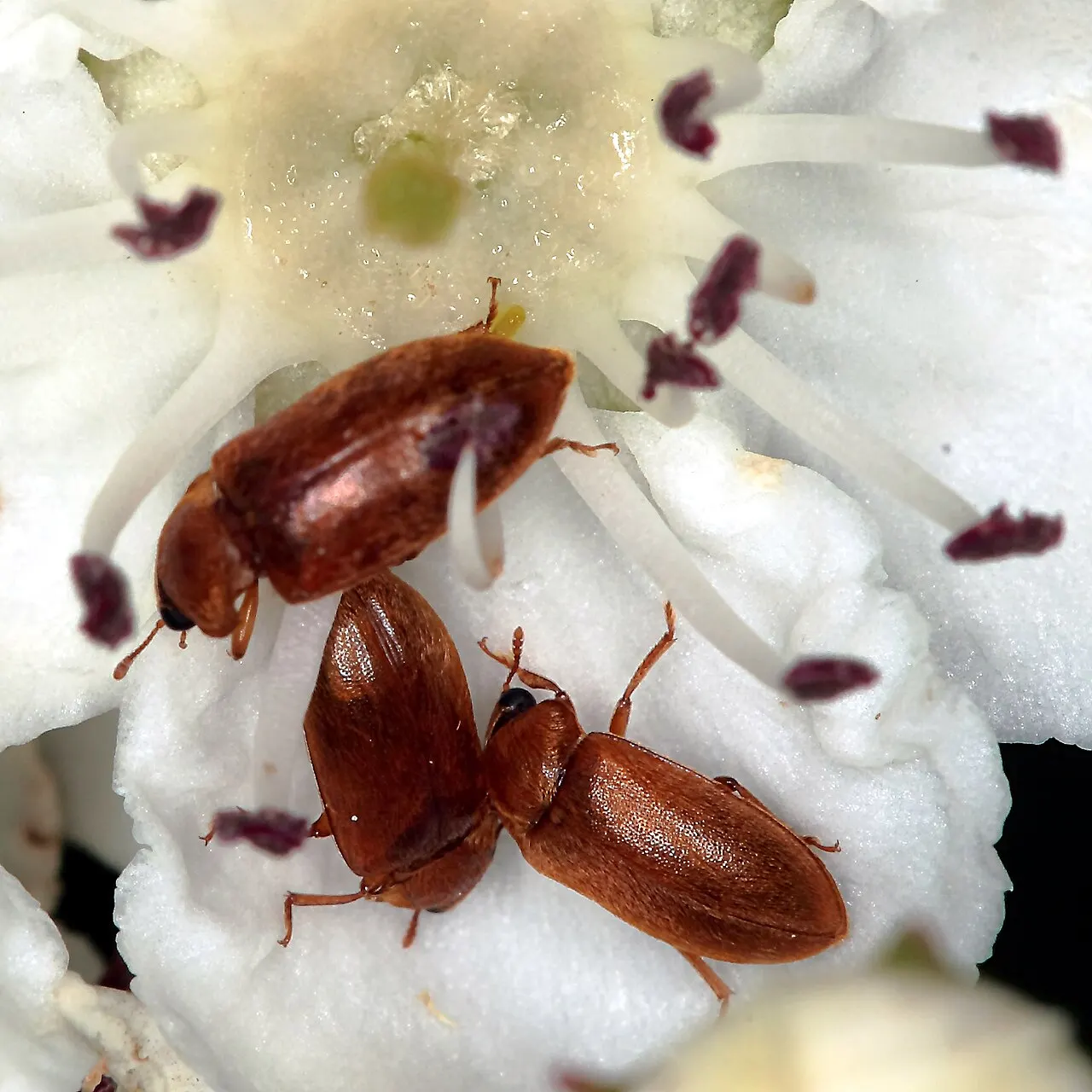
Birds and squirrels love raspberries. The RHS uses taut netting on canes or a fruit cage. BBC Gardeners' World says to check netting daily, because animals can get trapped. The RHS also lists viruses spread by aphids, raspberry beetle, and leaf and bud mites among the common problems. If you use any product, use only products authorised in the UK, used as the label says.
Looked after well, a row lasts. The RHS says raspberries crop well for up to ten years, and BBC Gardeners' World says they often fruit for 10 years or more. For another easy soft fruit, see how to grow strawberries.
Cheat sheet: growing raspberries
| What | Advice |
|---|---|
| Planting time | November to March while dormant (Garden Organic: October to February) |
| Soil | Fertile, well-drained, slightly acidic, pH 6–6.7 |
| Spacing | 40–60 cm apart, rows 1.5–2 m apart |
| Planting depth | First roots no more than 5 cm below the surface |
| After planting | Cut canes to about 25 cm (not summer long canes) |
| Prune summer fruiting | Fruited canes to the ground after harvest, keep 6–8 new canes |
| Prune autumn fruiting | All canes to the ground in February |
| Lifespan | Up to ten years, or more |
How to do it
- Choose a sunny spot with well-drained soil where raspberries have not grown before.
- Put up supports: posts about 1.8 m tall with wires for summer fruiting types.
- Plant the canes 40–60 cm apart, with the top roots no more than 5 cm below the surface.
- Cut each cane down to about 25 cm, unless it is a summer fruiting long cane.
- Mulch 5–7.5 cm deep, keeping the mulch away from the canes, and water in dry spells in the first year.
- Prune each year according to the type: summer types after picking, autumn types in late winter.
Common questions
When is the best time to plant raspberry canes?
While they are dormant. The RHS plants from November to March, Garden Organic from October to February. Late autumn, November in particular, suits all our sources.
When should I prune autumn raspberries?
The RHS cuts all canes to the ground in February, An RHS feature adds that the exact month does not matter while they are leafless and dormant. BBC Gardeners' World prunes them in winter.
When should I prune summer raspberries?
Straight after harvest. Cut the fruited canes to the ground and keep six to eight strong new canes per plant, the RHS says.
How far apart should raspberry canes be planted?
The RHS spaces them 40–60 cm apart in rows 1.5–2 m apart. Garden Organic uses 40 cm and 150 cm, BBC Gardeners' World 45 cm and 1.8 m.
Can I grow raspberries in a pot?
Yes. The RHS uses a pot at least 40 cm wide and 30 cm deep and names the compact variety 'Ruby Beauty'. Feed pot plants monthly in the growing season.
Sources
We wrote this page using the sources below.
- How to grow raspberries, Royal Horticultural Society (RHS)
- Winter pruning soft fruit, Royal Horticultural Society (RHS)
- Raspberry (growing guide), Garden Organic
- How to grow raspberries, BBC Gardeners' World Magazine, 2024