
 Potatoes Growing and care
How to grow potatoes
Potatoes are one of the easiest crops to grow. Get the earthing up and the timing of the harvest right and they will reward you for months.
In short
Grow potatoes in rich soil in an open, sunny site. Earth them up when shoots reach 15–23 cm, then every few weeks. Water in dry spells. Lift earlies in June and July when tubers are the size of a hen's egg, and maincrops from late August to October.
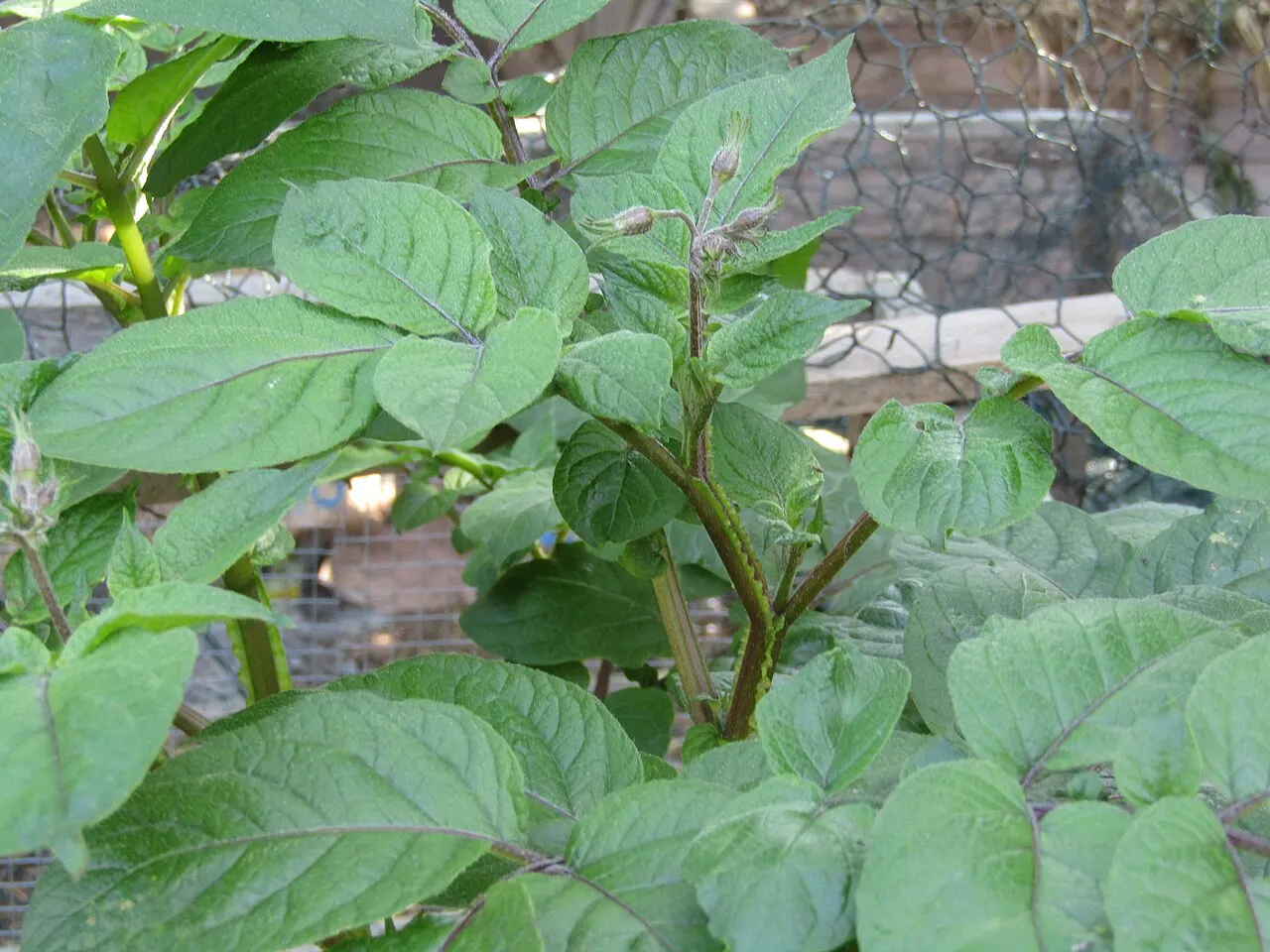

Potatoes at a glance
Solanum tuberosum
- Position
- Open and sunny, away from frost pockets
- Soil
- Rich and fertile
- Soil pH
- Around 6.5 or lower
- Spacing
- 60 cm between rows, 30 cm apart in the row, for earlies; maincrops 37 cm apart in rows 75 cm apart (RHS)
- Plant
- Late March to early May, by type
- Harvest
- June to October, by type
- Watering
- In dry weather, often in containers
- Difficulty
- Easy
Potatoes: what to do and when
Under cover and outdoors, for UK conditions. The weather differs from year to year and from north to south, so check your local conditions too.
Soil and site
The RHS grows potatoes in an open, sunny spot that is not prone to late frosts, in rich, fertile soil. It digs in garden compost or well-rotted manure, ideally in the autumn or winter before planting. On poor soil it adds an organic general purpose fertiliser.
Garden Organic aims for a soil pH of around 6.5 or lower and digs homemade compost into the top 30 cm in spring. BBC Gardeners' World says potatoes do well in any soil, but richer is better.
Rotation matters. The RHS moves potatoes to a new area each year. Garden Organic leaves at least four years before potatoes return to the same ground. BBC Gardeners' World warns that growing potatoes in the same soil year after year encourages potato eelworm.
Planting dates and chitting are covered in When to plant potatoes.
Earthing up
Earthing up means drawing soil up around the stems into a ridge. The RHS starts when the shoots are about 23 cm tall, leaving only the top 10 cm showing, and repeats every few weeks until the ridge is 20–30 cm high. Garden Organic starts earlier, at about 15 cm, leaving about 5 cm of leaves showing, and earths up again just before the foliage meets across the rows. BBC Gardeners' World starts at about 20 cm and covers the stems halfway.
Why bother? Earthing up does several jobs at once. The RHS says it protects young shoots from frost and stops the tubers being exposed to light, which turns them green. Garden Organic adds that it helps control weeds and gives some protection against blight.
Garden Organic also mulches with hay, straw, leafmould or grass clippings to keep moisture in. Where plants are spaced closely, their shade has a similar effect to earthing up.
Watering and feeding
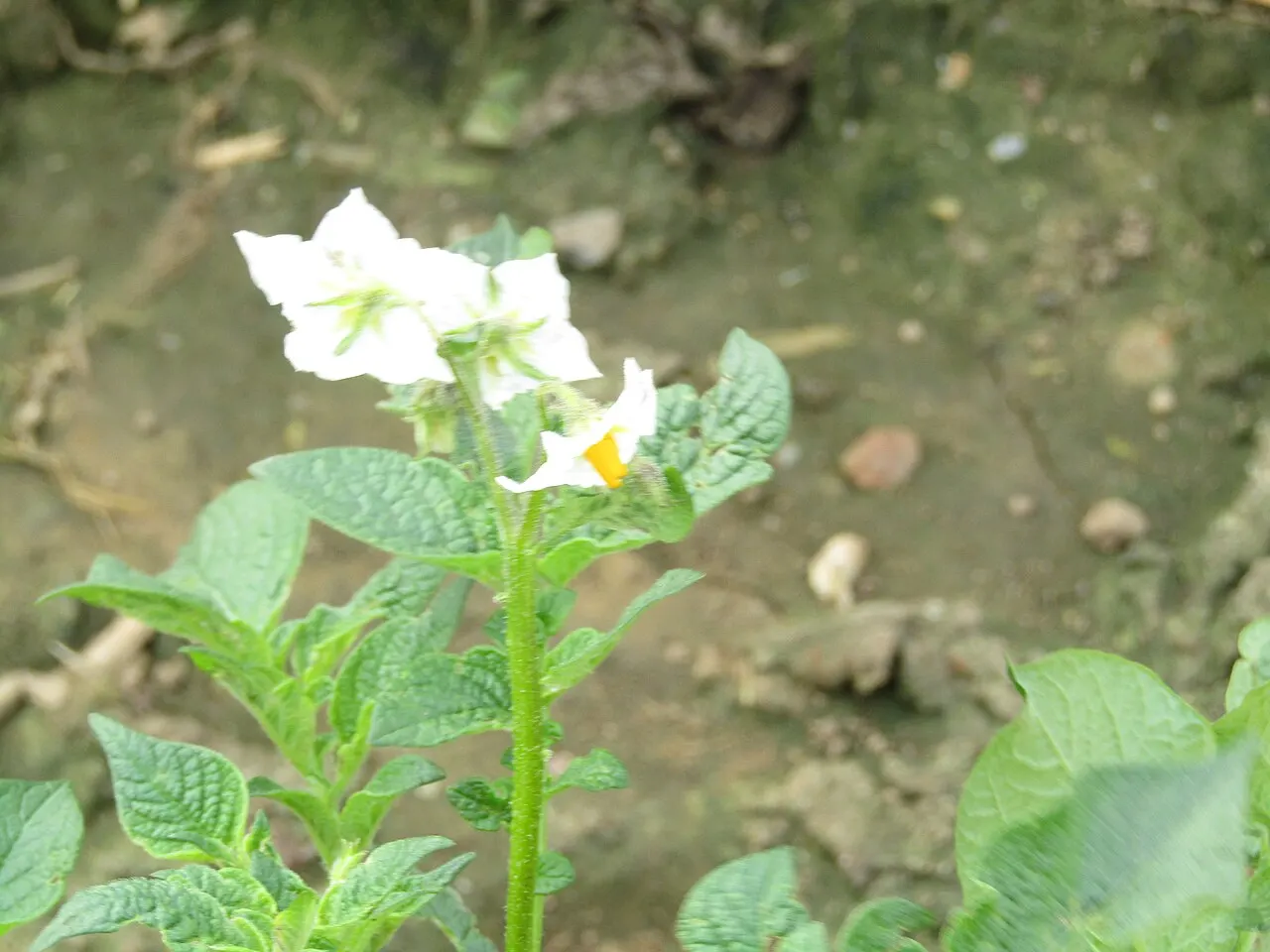

The RHS waters potatoes in dry weather. BBC Gardeners' World does the same in warm, dry spells, avoiding unnecessary wetting of the leaves, and keeps the soil free of weeds.
Containers need much more attention. The RHS warns that pots outdoors may need watering even when it rains, because the leaves shelter the compost.
Feeding. Potatoes in the ground generally do not need feeding, says the RHS. On poor soil, maincrops benefit from a nitrogen rich organic fertiliser around the second earthing up. In containers, mix an organic fertiliser into the compost at planting, or use an organic liquid feed about six weeks after planting.
Brown spots on the leaves can have several causes, says BBC Gardeners' World, including magnesium deficiency, which is more common on light, sandy soils.
Potatoes in bags and pots
No space for rows? Early varieties do best in containers, says the RHS. Use a container at least 30 cm wide and deep, half filled with 15 cm of peat-free compost. Plant one seed potato per 30 cm of pot width, just below the surface, and add more compost as the stems grow.
Growing bags and sacks work too. BBC Gardeners' World suggests polypropylene growing bags or an old compost bag, and the RHS pierces holes in the bottom of reused bags for drainage. At harvest, simply tip the container out.
When to harvest

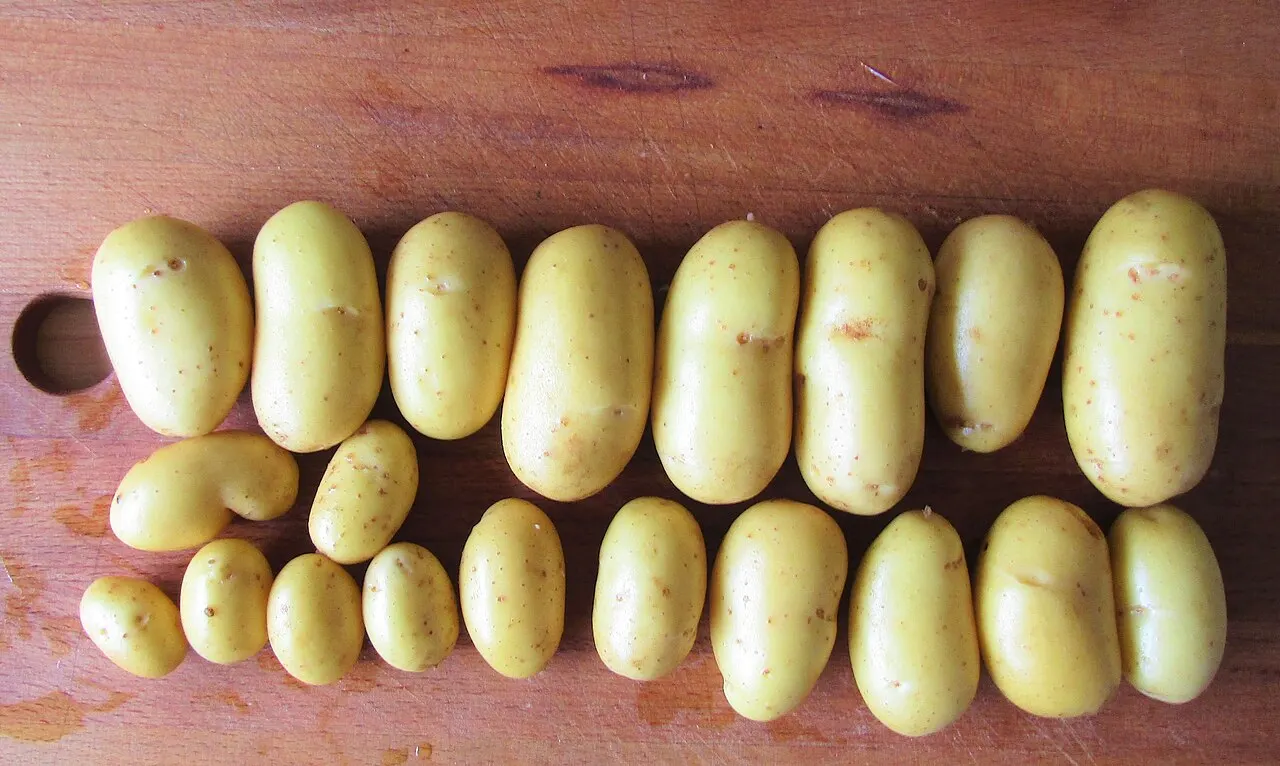
Earlies. The RHS checks by gently scooping soil aside: tubers should be the size of hens' eggs. Lift them when the flowers are open or the buds drop. Garden Organic says flowering often means the tubers are a usable size, but not every variety flowers, so dig up one plant to check. The sources differ on timing: Garden Organic expects earlies nine to ten weeks after planting, while the RHS says they can be ready in as little as 12 weeks.
Maincrops. Wait until the leaves turn yellow. The RHS cuts off all the top growth, waits 10 days, then lifts the tubers. Garden Organic leaves them in the ground for two to three weeks after the foliage dies back, because mature tubers with well developed skins store best.
Push the fork in at least 30 cm from the stem, says the RHS, so you do not spear the crop. Leave lifted maincrops in the sun for a few hours to dry before storing them.
Storing potatoes
Store only undamaged, dry tubers. The RHS keeps them in a cool, dark, frost-free place, such as a garage, in paper or hessian sacks or on slatted trays. BBC Gardeners' World uses hessian or thick brown paper sacks, does not wash the potatoes first, and checks them regularly for rot.
Keep out all light. Light turns potatoes green. The RHS calls green potatoes poisonous and says to throw them away, and BBC Gardeners' World explains that green potatoes contain solanine, which can cause severe stomach upsets. It also says never to eat potatoes raw.
Most early varieties do not store well, says Garden Organic. The RHS uses stored maincrops up before early spring, when they start to sprout and shrivel.
Blight and other problems

Late blight attacks leaves and tubers. The RHS says it is less likely on early varieties and in dry summers. Garden Organic says it is common in warm, wet weather. BBC Gardeners' World advises growing resistant varieties, cutting plants down at the first sign of infection and harvesting quickly. The RHS adds that the crop can often still be eaten if lifted quickly, but will not store.
Scab causes rough, scabby patches on the skin, says the RHS. Blackleg is a bacterial disease that rots the base of the stem. Black scurf leaves hard black patches that rub off. It is unsightly but not destructive.
Slugs tunnel into maincrop tubers in damp autumn weather, and wireworms are mainly a problem after grassland, says the RHS. Potato cyst nematodes (eelworm) build up where potatoes and tomatoes are grown repeatedly. If you use any plant protection product, use only one authorised in the UK and follow the label.
Cheat sheet: growing potatoes
| What | Advice |
|---|---|
| Site | Open and sunny, not prone to late frosts |
| Soil | Rich and fertile, pH around 6.5 or lower |
| First earthing up | At 15 cm (Garden Organic) to 23 cm (RHS) tall |
| Final ridge | 20–30 cm high |
| Watering | In dry weather, more often in containers |
| Lift earlies | When the tubers are the size of a hen's egg, often when the plants flower |
| Lift maincrops | Late August to October, after the foliage dies back |
| Store | Cool, dark, frost-free, in paper or hessian sacks |
How to do it
- Dig compost or well-rotted manure into the bed, ideally the autumn or winter before.
- Plant in a 15 cm deep trench with the shoots facing up, earlies 30 cm apart and maincrops 37–40 cm apart.
- When the shoots are 15–23 cm tall, draw soil up around them, leaving only the top few centimetres showing.
- Earth up again every few weeks until the ridge is 20–30 cm high.
- Water in dry spells, and much more often if the potatoes are in bags or pots.
- Lift earlies when the tubers are the size of a hen's egg. Leave maincrops until the foliage turns yellow.
- Cure maincrops in the sun for a few hours and store them in the dark.
Common questions
When should I earth up potatoes?
When the shoots are about 15 cm (Garden Organic) to 23 cm (RHS) tall. Repeat every few weeks until the ridge is 20–30 cm high.
How do I know when potatoes are ready?
Earlies are ready when the tubers are the size of a hen's egg, often when the plants flower. Maincrops are ready once the foliage has turned yellow and died back.
Do potatoes need feeding?
In the ground they generally do not, says the RHS. Feed potatoes in containers, and maincrops on poor soil.
Are green potatoes safe to eat?
No. The RHS calls them poisonous, and BBC Gardeners' World says they contain solanine, which can cause severe stomach upsets. Throw them away.
How should I store potatoes?
Dry, undamaged maincrops keep in a cool, dark, frost-free place in paper or hessian sacks. Check them every few weeks for rot.
Sources
We wrote this page using the sources below.
- How to grow potatoes, Royal Horticultural Society (RHS)
- Potatoes (growing guide), Garden Organic
- How to grow potatoes, BBC Gardeners' World Magazine, 2026