
 Lavender When to sow and plant
When to plant lavender
Lavender hates cold, wet roots. That is why the RHS picks a spring planting date, and rules out winter completely.
In short
The RHS says lavender is best planted in April or May, as the soil naturally warms up. Never plant it in winter, when young plants can rot in cold, wet soil. Give it full sun and fast-draining soil, and water it regularly through its first summer.
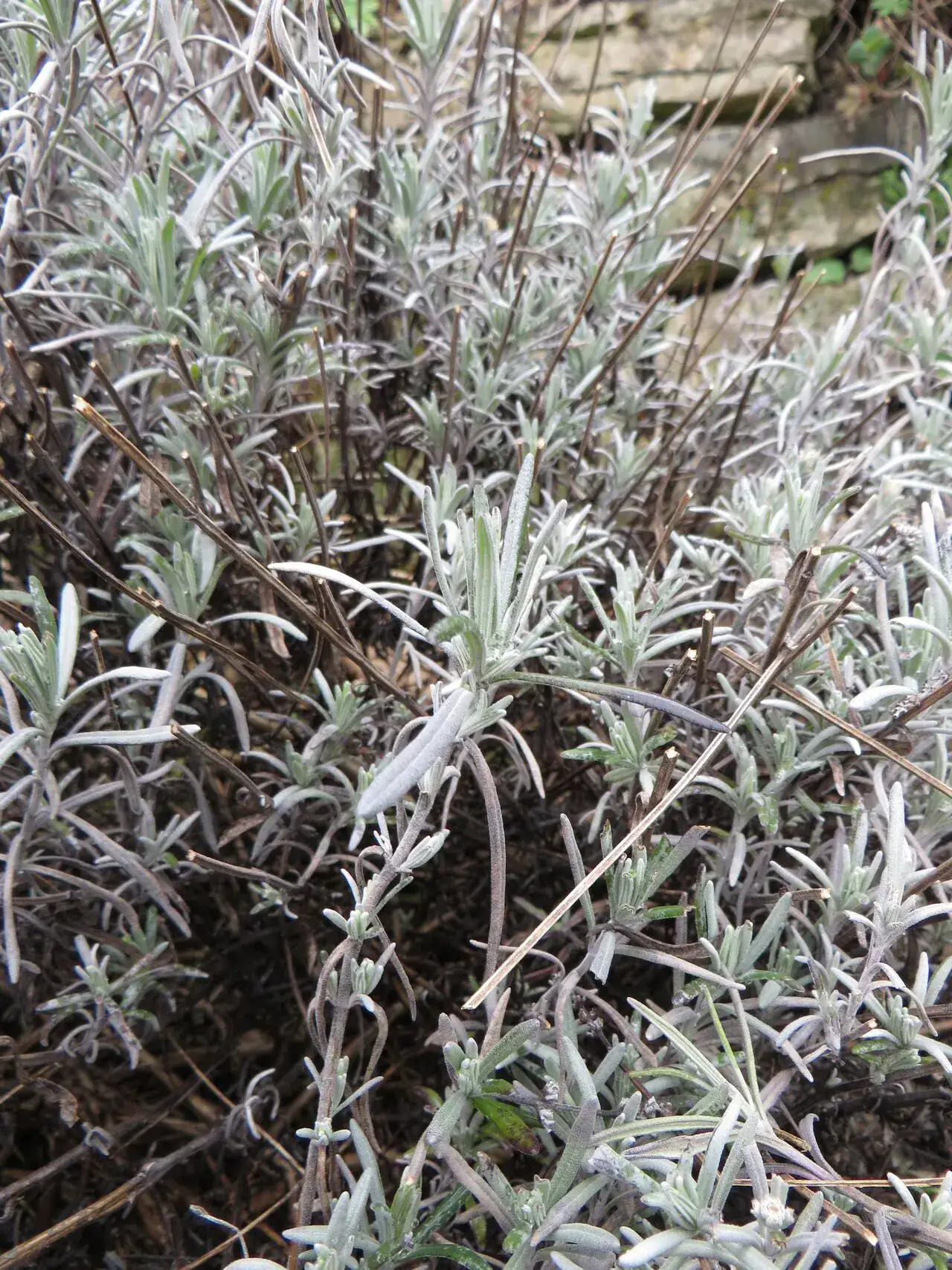

Lavender: what to do and when
Under cover and outdoors, for UK conditions. The weather differs from year to year and from north to south, so check your local conditions too.
April or May, never in winter
The RHS growing guide says lavender is best planted in April or May, as the soil naturally warms up.
It is just as clear about when not to plant. Lavender should never be planted in winter, the RHS says, when young plants are vulnerable to rotting in cold, wet soils.
After planting, water regularly. The RHS says newly planted lavender should be watered regularly during its first summer.
Which lavender to plant outdoors
The RHS says the hardiest lavenders are English lavender and its hybrids, cultivars of *Lavandula angustifolia* and *L. × intermedia*. They usually come through winter outdoors in free-draining soil, and grow 30–90 cm tall. The RHS English lavender guide adds that *L. × intermedia* flowers slightly later, and that even though English lavender is generally hardy throughout the UK, you should avoid planting it in cold spots.
French lavender (*L. stoechas*) and other tender types are less hardy and often short-lived. The RHS grows them in containers and keeps them frost-free in winter, for example in a greenhouse.
Buying plants
The RHS says lavender is usually sold in containers of 9 cm or larger, ready for planting. It is also sold as plug plants, which are cheaper but need months of care before they can be planted out.
Be careful with imported plants. The RHS says lavender is one of nine plants considered to be a high-risk host for the bacterium *Xylella fastidiosa*.
Sun and soil
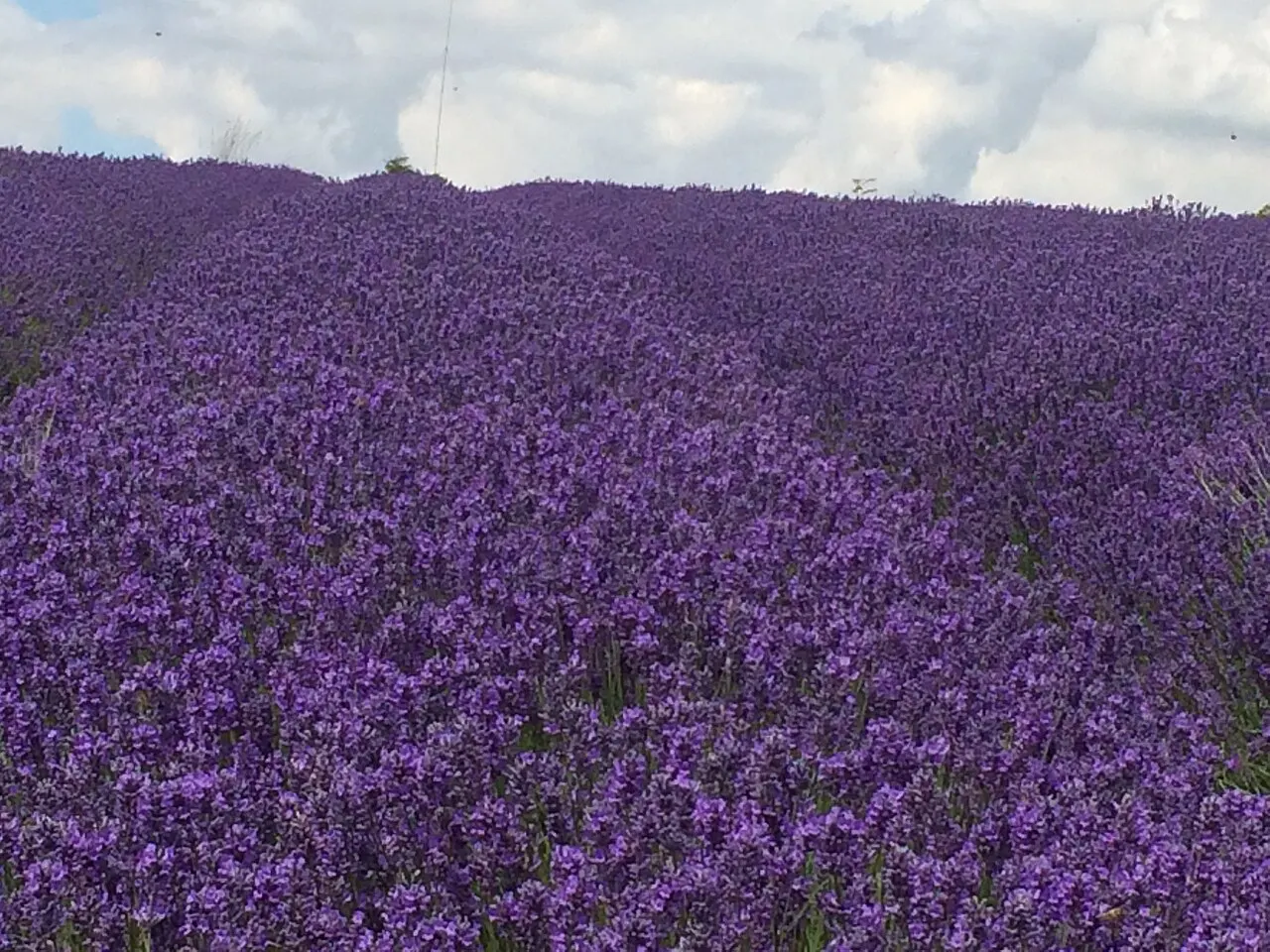

Lavender needs full sun and fast-draining soil, the RHS says. It is happy in poor, dry or moderately fertile soil, including chalky and alkaline soils. It does not do well in heavy clay or ground that gets waterlogged.
The RHS English lavender guide says lavender hates heavy wet soils, particularly in winter, and dislikes shade. It thrives in poor, sandy or chalky soil.
If your soil is heavy, the RHS plants on a 20–30 cm mound or ridge, or in a raised bed.
How far apart to plant lavender
The RHS gives two spacings. In groups, space plants about 90 cm apart. For a hedge, space them 30 cm apart, or 45 cm for larger cultivars.
Lavender in pots
The RHS uses a container 30–40 cm in diameter with large drainage holes. Fill it with peat-free multipurpose or peat-free loam-based compost, such as John Innes No 2, and mix in coarse grit at up to 25% by volume. Plant the lavender so it sits at the same level it was in its previous pot.
In summer, pots may need watering once or twice a week when the compost dries out in hot weather. In winter, keep them fairly dry.
After planting: trimming
The RHS trims lavender every year in late summer, just after flowering. Remove the spent flower stalks and about 2.5 cm of leafy growth. Do not cut into the woody stems, because lavender does not regrow well from them. You can also clip the foliage in spring if it looks untidy or frost-damaged.
Old, straggly plants are best replaced, the RHS says.
Growing lavender from cuttings or seed
The RHS takes softwood or semi-ripe cuttings from young plants in early to midsummer, or hardwood cuttings after flowering in late autumn. Cuttings give plants identical to the parent.
For seed, it collects seed from dry seedheads in late summer, stores it over winter and sows it in spring in peat-free seed compost. Seed from cultivars may not come true to the parent.
Planting lavender: the RHS advice at a glance
| What | Advice |
|---|---|
| When to plant | April or May, as the soil warms up. Never in winter |
| What you buy | Containers of 9 cm or larger, ready to plant. Plug plants are cheaper but need months of care first |
| Hardiest types | English lavender and its hybrids (L. angustifolia, L. × intermedia), 30–90 cm tall |
| Tender types | French lavender (L. stoechas) and others: in containers, kept frost-free in winter |
| Site | Full sun. Avoid cold spots |
| Soil | Fast-draining. Poor, dry or moderately fertile, chalky and alkaline soils are fine. Not heavy clay or waterlogged ground |
| Heavy soil | Plant on a 20–30 cm mound or ridge, or in a raised bed |
| Spacing | Groups about 90 cm apart. Hedges 30 cm, or 45 cm for larger cultivars |
| Pots | 30–40 cm across, large drainage holes, up to 25% coarse grit in the compost |
| First summer | Water regularly |
How to do it
- Buy plants in containers of 9 cm or larger, ready for planting. If you buy from abroad, remember the RHS warning about Xylella below.
- Wait until April or May, when the soil is warming up. Do not plant in winter.
- Choose a spot in full sun with fast-draining soil, away from cold spots.
- If your soil is heavy, plant on a mound or ridge 20–30 cm high, or in a raised bed.
- Space plants about 90 cm apart in groups. For a hedge, space them 30 cm apart, or 45 cm for larger cultivars.
- Water regularly through the first summer. Lavender generally does not need feeding.
Common questions
When is the best time to plant lavender in the UK?
The RHS says April or May, as the soil naturally warms up.
Can I plant lavender in autumn or winter?
The RHS says lavender should never be planted in winter, when young plants are vulnerable to rotting in cold, wet soils. Its best planting time is April or May.
Which lavender is hardiest?
English lavender and its hybrids, cultivars of Lavandula angustifolia and L. × intermedia, the RHS says. French lavender (L. stoechas) is less hardy and is best grown in a pot and kept frost-free in winter.
How far apart should I plant lavender?
The RHS spaces plants about 90 cm apart in groups. For a hedge, it spaces them 30 cm apart, or 45 cm for larger cultivars.
Can lavender grow in clay soil?
Not well. The RHS says lavender does not do well in heavy clay or waterlogged ground. On heavy soil, plant on a 20–30 cm mound or ridge, or in a raised bed.
Does newly planted lavender need watering?
Yes. The RHS says to water it regularly during its first summer. Once established, plants in the ground rarely need watering unless there is a severe drought.
Sources
We wrote this page using the sources below.
- How to grow lavender, Royal Horticultural Society (RHS)
- English lavender (plant guide), Royal Horticultural Society (RHS)